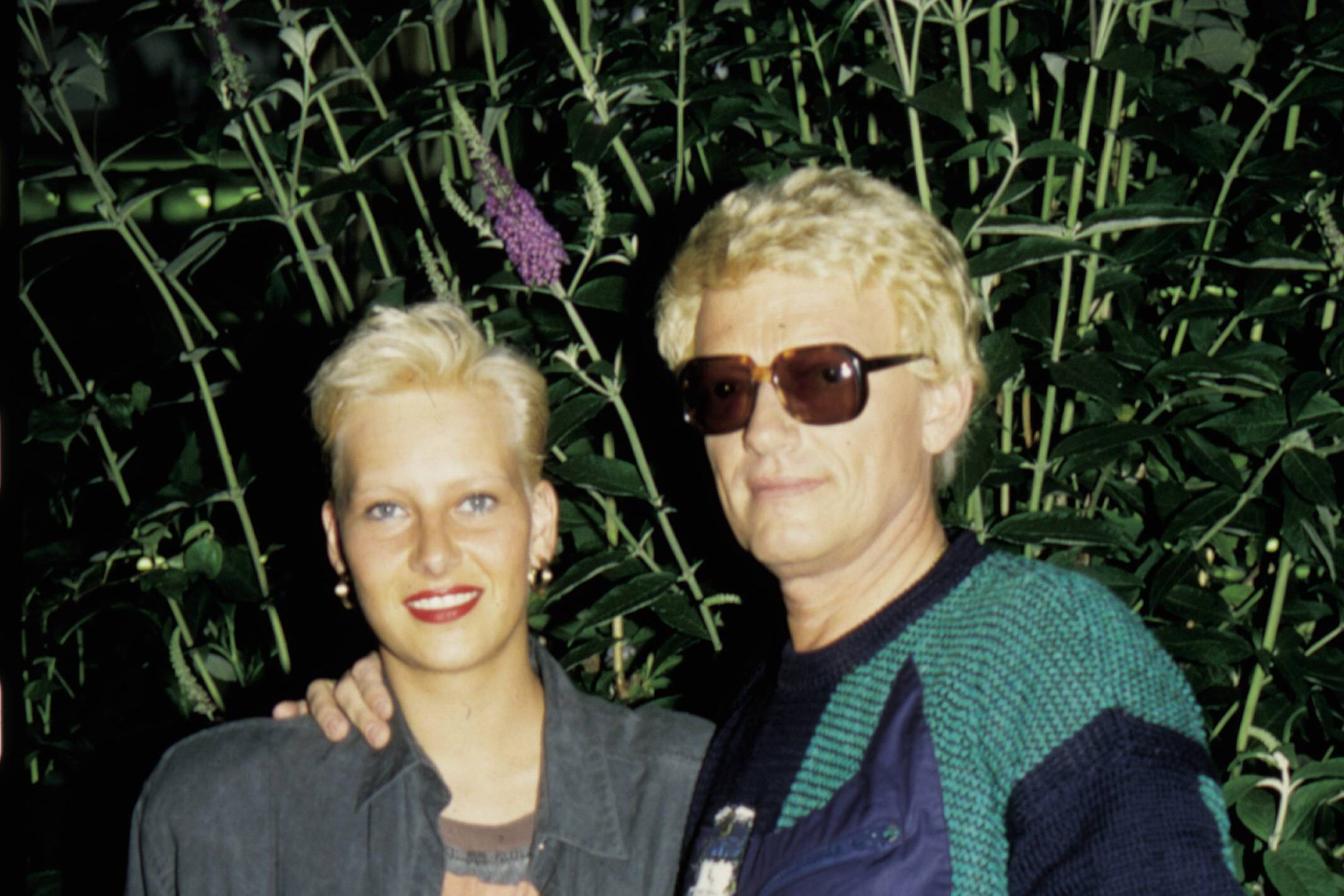
Heino Unveils His Deepest Pain: The Tragic Story of Heino Tochter Petra
For decades, German music icon Heino has been synonymous with a booming baritone, signature dark sunglasses, and an unwavering stage presence. He is a man who has entertained millions, embodying a steadfast, almost stoic persona in the public eye. Yet, behind the powerful voice and iconic image lies a heart that has endured unimaginable sorrow, a truth he is now openly sharing in a new, intimate documentary. In "HEINO – Karamba, Karacho, Kult," set to air in March 2026 on VOX (and from March 13 on RTL+), the beloved Volksmusiker, now 87, pulls back the curtain on the most devastating chapter of his life: the tragic suicide of his only daughter, Petra, at the tender age of 35.
This revelation is a poignant and stark reminder that even figures of immense public stature are susceptible to profound personal grief. Heino’s decision to speak about Petra’s struggle and ultimate passing, years after the fact, underscores not only the enduring weight of his loss but also a potential desire to contribute to a broader conversation about mental health. The narrative Heino shares is one of bewildering pain, complicated family dynamics, and an almost superhuman resolve to keep performing even as his world crumbled.
Petra's Silent Battle: Understanding Mental Illness and Its Devastating Impact
The documentary provides chilling details about the circumstances surrounding Petra’s death in November 2003. Heino reveals that his daughter battled a severe mental illness, describing her experience with "psychoses and hallucinations," a condition he painfully notes she shared with her biological mother. This insight casts a somber light on Petra's life, suggesting a relentless internal struggle that ultimately proved too heavy to bear.
Mental illnesses like psychosis are complex and often profoundly isolating, not just for the individual experiencing them but also for their families. They can distort reality, making everyday life an insurmountable challenge. The stigma associated with mental health conditions often prevents open discussion and timely intervention, leaving sufferers and their loved ones feeling alone and helpless. Heino's account serves as a powerful, albeit heartbreaking, testament to the silent battles many individuals fight daily. For families supporting a loved one with severe mental illness, the journey is fraught with emotional highs and lows, constant worry, and the difficult search for effective care. It highlights the urgent need for increased awareness, accessible resources, and compassionate understanding within society.
Understanding the signs and symptoms of severe mental health conditions is crucial. While professional help is paramount, family members can offer invaluable support through patience, consistent communication, and creating a stable, understanding environment. Encouraging adherence to treatment plans, educating oneself about the specific illness, and seeking support groups for caregivers are all vital steps. Petra's story, as told by her father, tragically illustrates the devastating consequences when these battles overwhelm. For a deeper look into the challenges Petra faced and Heino's unwavering commitment despite his personal agony, click here.
A Father's Unknowing Years: Heino's Late Discovery of His Only Daughter
Adding another layer of profound complexity to this tragedy is the revelation that Heino's relationship with Petra was tragically brief, not by choice, but by circumstance. Heino recounts a deeply personal story of belated discovery: he only learned of Petra's existence a remarkable nine years after her birth. Petra was conceived during a one-night stand with a childhood sweetheart, and her mother chose not to inform Heino of her pregnancy or the birth of his daughter. "I didn't know about my Petra for a long time. Her mother never told me. I was astonished myself," Heino shares in the documentary.
This delayed paternity created a unique emotional landscape for both father and daughter. For Heino, it meant years of missed milestones, a paternal bond forged later in life, and the inevitable pondering of "what ifs." For Petra, growing up without knowing her biological father, only to have him enter her life later as a public figure, must have presented its own set of challenges. While Heino has a son from his first marriage to Henriette Heppner, Petra was his only daughter, making their limited time together all the more precious and, in hindsight, heartbreakingly short.
The story of belated fatherhood, particularly under such public scrutiny, underscores the complexities of family secrets and the profound impact they can have on individuals and relationships. The journey to build a connection with an adult child, after years of absence, requires immense empathy, understanding, and a willingness to navigate unfamiliar emotional terrain. Heino’s candor about this aspect of his life reveals a vulnerability rarely seen from the usually stoic performer, giving further depth to his personal narrative of loss.
The Show Must Go On: Grief, Duty, and a Father's Unfathomable Decision
The moment Heino received the devastating news of Petra’s suicide adds an almost surreal layer to his grief. He was on a Mediterranean cruise aboard the "Costa Victoria," an environment usually synonymous with relaxation and carefree joy. "As we set sail, I received the news that my daughter had taken her own life," Heino recounts in the documentary, describing it as "the worst thing I had ever experienced until then." The eerie juxtaposition of his personal catastrophe against a backdrop of festive revelry highlights the profound isolation of deep sorrow.
What followed was an extraordinary, almost unfathomable decision. Despite the overwhelming grief, Heino chose to remain on the cruise ship and perform just five days after Petra's death. He describes feeling "trapped" and having "no other choice," driven by an "eiserne Disziplin" (iron discipline) amidst his "tiefster Verzweiflung" (deepest despair). His reasoning was simple yet profound: "I believe my daughter would have wanted me to sing." This act, which must have demanded every ounce of his emotional and physical strength, speaks volumes about his professional dedication and a unique way of processing grief.
The concept of "the show must go on" is a well-known adage in entertainment, often romanticized. However, Heino's experience on the "Costa Victoria" strips away any glamour, revealing the raw, agonizing reality of performing under the weight of such personal tragedy. It forces us to consider the different ways individuals cope with unbearable loss. For some, finding purpose in their work, even in the darkest hours, can be a form of survival, a way to channel pain into something outwardly productive. This choice, while perhaps appearing stoic or even detached to outsiders, was for Heino, a deeply personal and meaningful tribute to his daughter. Read more about Heino's heartbreaking experience on the cruise and the late discovery of his daughter here.
Enduring Loss and Finding a Glimmer of Hope
Petra's death, though decades ago, is not the only profound loss Heino has endured recently. The last few years have tested his resilience anew. In November 2023, he lost his beloved wife, Hannelore, at 81, a woman he often described as loving him "unconditionally from the first day." This was followed by the loss of his sister, also named Hannelore, at 92, in June 2025. These consecutive bereavements have left an immense void in his life, particularly in his home in Kitzbühel. "I still feel the same today as on the day she died," he confesses about the loss of his wife, a sentiment that speaks to the enduring nature of grief.
Despite the succession of heartaches, Heino has found a fragile new anchor. He has found solace and support in the family of his manager, Helmut Werner, 41. Holding Werner's two-year-old son, Lennie, brings a tender light into his otherwise heavy world. These moments offer a glimpse of hope, demonstrating the resilient human capacity to find comfort and connection even after immense suffering. It highlights how, for many facing profound loneliness, new relationships, even surrogate family bonds, can offer vital emotional sustenance and a renewed sense of purpose. Heino’s journey is a powerful testament to the enduring power of human connection in the face of relentless sorrow, reminding us that even the most stoic individuals need compassion and support to navigate life's toughest storms.
Conclusion
Heino's decision to share the story of his daughter Petra's suicide is a brave and vulnerable act, offering a rare glimpse into the private sorrow of a public figure. It is a narrative woven with threads of unimaginable grief, belated discovery, the enduring power of mental illness, and a father's unwavering determination to honor his child even in the darkest moments. As Heino navigates continued losses while finding new pockets of solace, his story resonates far beyond the world of music. It serves as a stark reminder of the importance of mental health awareness, the complexities of family bonds, and the human spirit's remarkable, albeit often painful, capacity to endure, adapt, and ultimately seek out glimmers of hope amidst profound heartbreak.